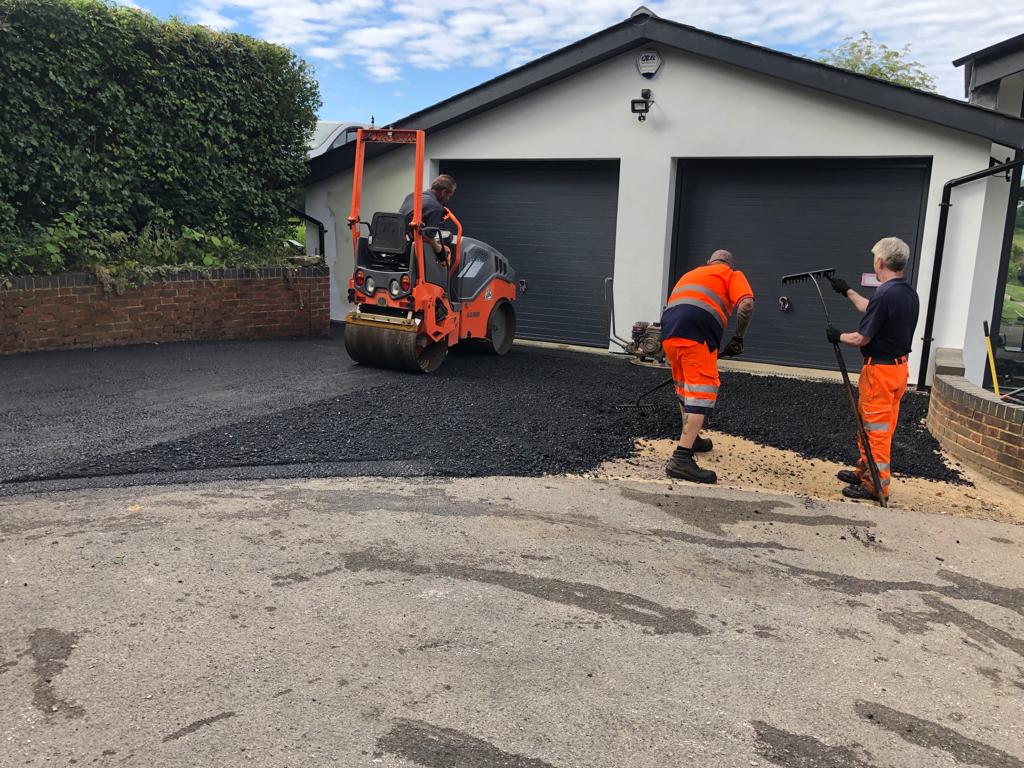
A few isolated potholes on an unsealed road can often be treated individually, but the situation changes when potholes are appearing across much of the surface. Widespread damage may indicate that the road has lost its correct profile, drainage is no longer working effectively, or loose surface material has been displaced by traffic and weather. In these circumstances, repeatedly filling individual holes may not address the broader problem.
For property owners and businesses in Springbrook, QLD, professional road grading can be an effective way to restore an unsealed road when deterioration has become widespread. Rather than concentrating solely on individual potholes, grading allows the overall road surface to be reshaped, redistributed and prepared to perform more consistently.
Why Do Multiple Potholes Develop on an Unsealed Road?
Potholes generally form when sections of a road lose stability. Water can collect in small depressions, traffic repeatedly passes through the weakened areas, and loose material is gradually displaced.
Once one depression forms, it can retain additional water and become progressively deeper. Similar conditions elsewhere along the road can lead to numerous potholes appearing at the same time.
Common contributing factors include:
- Poor surface drainage
- Loss of the original road profile
- Wheel rutting
- Displaced or loose surface material
- Inadequate compaction
- Repeated traffic over wet or weakened sections
When potholes are widespread, assessing the condition of the whole road can be more useful than looking at each hole independently.
Why Filling Every Pothole May Not Solve the Problem
Individual pothole repairs have their place, particularly where damage is isolated and the surrounding road remains in good condition. However, filling numerous potholes across an uneven unsealed road can become a repetitive exercise if the cause of the deterioration remains.
For example, if water continues to collect because the road has become flat or rutted, repaired areas will still be exposed to the same moisture and traffic conditions that contributed to the original damage.
Similarly, if surface material has migrated towards the edges or into low points, filling individual holes does not restore a consistent road profile.
Grading approaches the problem differently by working across the broader surface.
How Does Road Grading Help?
Road grading uses specialised machinery to reshape an unsealed road and redistribute suitable existing material across the surface.
High areas can be cut down, loose material can be moved back towards areas where it is needed, and depressions can be corrected. The road can then be shaped to establish a more consistent profile.
Where conditions allow, this process can effectively remove numerous potholes and irregularities as part of a broader surface restoration rather than treating them individually.
The objective is not simply to make the road appear smoother. Correct grading should improve how the entire surface functions.
Restoring the Road Profile Improves Drainage
One of the most valuable aspects of grading is the ability to restore appropriate crossfall and shape.
An unsealed road should encourage rainfall to move away from the travelled surface rather than allowing it to remain in wheel tracks and depressions. As a road wears, this profile can gradually disappear.
Traffic may create ruts, while loose material can migrate towards the sides. The centre may flatten and low areas can begin retaining water.
Professional grading can restore the required shape so that surface water has a clearer path away from trafficked areas. This can help reduce one of the main conditions associated with recurring potholes.
Grading Can Correct Wheel Ruts and Corrugations
Potholes are not always the only problem present on a deteriorated unsealed road. Wheel rutting, corrugations and uneven areas can develop alongside them.
These defects affect driving comfort and can influence how water behaves on the road. Ruts, for example, can act like channels that hold or direct water along the wheel paths instead of allowing it to drain away.
Grading reshapes these areas and creates a more consistent running surface. Correcting the wider road profile can therefore provide a more comprehensive result than pothole filling alone.
Existing Material Needs to Be Suitable
Grading can redistribute road material, but it cannot automatically correct every problem.
If substantial surface material has been lost, the remaining material is unsuitable, or the underlying formation has become unstable, additional work may be required. Simply grading inadequate material back and forth will not create a durable road.
A professional assessment can determine whether the existing material can be successfully reworked or whether additional preparation and material are necessary.
This distinction is important when aiming for a result that lasts beyond the initial grading work.
Compaction Matters After the Road Is Reshaped
Reshaping an unsealed road is only part of the process. The restored surface also needs sufficient stability to withstand subsequent vehicle movements.
Appropriate compaction helps consolidate the material after grading and reduces unnecessary movement under traffic. Without adequate consolidation, freshly redistributed material may quickly move again, allowing depressions and wheel tracks to redevelop.
Grading and compaction therefore work together when restoring a heavily worn road.
When Might Grading Not Be Enough?
Widespread potholes sometimes indicate deeper problems that cannot be resolved through surface grading alone.
If the underlying road structure has failed, sections are excessively soft, drainage from surrounding land is affecting the formation, or the road lacks adequate material, further corrective work may be needed before a stable surface can be restored.
Signs that additional investigation may be worthwhile include deep depressions returning quickly, consistently soft sections, significant erosion or areas that remain waterlogged.
Professional inspection helps distinguish between surface deterioration that can be corrected through grading and structural problems requiring more extensive attention.
Could Grading Prepare the Road for Future Surfacing?
Grading can also form part of the preparation for upgrading an unsealed road.
If an existing road is eventually intended to receive asphalt or bitumen surfacing, the underlying pavement must first have suitable shape, stability and drainage. Covering a badly rutted or unstable road without addressing these issues can transfer existing weaknesses into the new surface.
Professional grading helps establish the correct levels and profile as part of the broader preparation process. Additional base preparation and compaction may then be undertaken according to the requirements of the proposed surface.
For roads in Springbrook, careful preparation is particularly important when the goal is to move from an unsealed surface towards a more durable pavement.
Why Professional Grading Produces Better Results
Effective road grading is more precise than simply dragging material across potholes. The operator needs to understand how the road should shed water, where material needs to be redistributed and which areas may require additional attention.
The condition of the road, surrounding drainage, traffic patterns and available material all need to be considered.
At Springbrook Asphalt & Bitumen Surfacing, grading work is approached as part of the overall condition of the road. Identifying why potholes have become widespread helps determine whether reshaping, additional preparation, drainage improvements or future surfacing should be considered.
Conclusion
When potholes are spread across an unsealed road, grading can often provide a more effective approach than repeatedly repairing individual holes. By reshaping the road, correcting ruts and depressions, redistributing suitable material and restoring a profile that encourages drainage, grading addresses several conditions that contribute to widespread deterioration.
However, the cause of the potholes still matters. If the road has insufficient material, poor underlying support or more significant drainage problems, these issues may also need attention for the improvement to last.
For property owners and businesses in Springbrook, QLD, Springbrook Asphalt & Bitumen Surfacing provides professional grading, asphalt and bitumen resurfacing services. If an unsealed road has become rough, heavily potholed or difficult to maintain, a professional assessment can identify what is causing the deterioration and determine the most appropriate way to restore a safer, more consistent surface.
Call us on: 07 5241 1492
Click here to find out more about Springbrook Asphalt & Bitumen Surfacing
Click here to complete our contact form and see how we can help with your Asphalt and Bitumen Surfacing needs.